
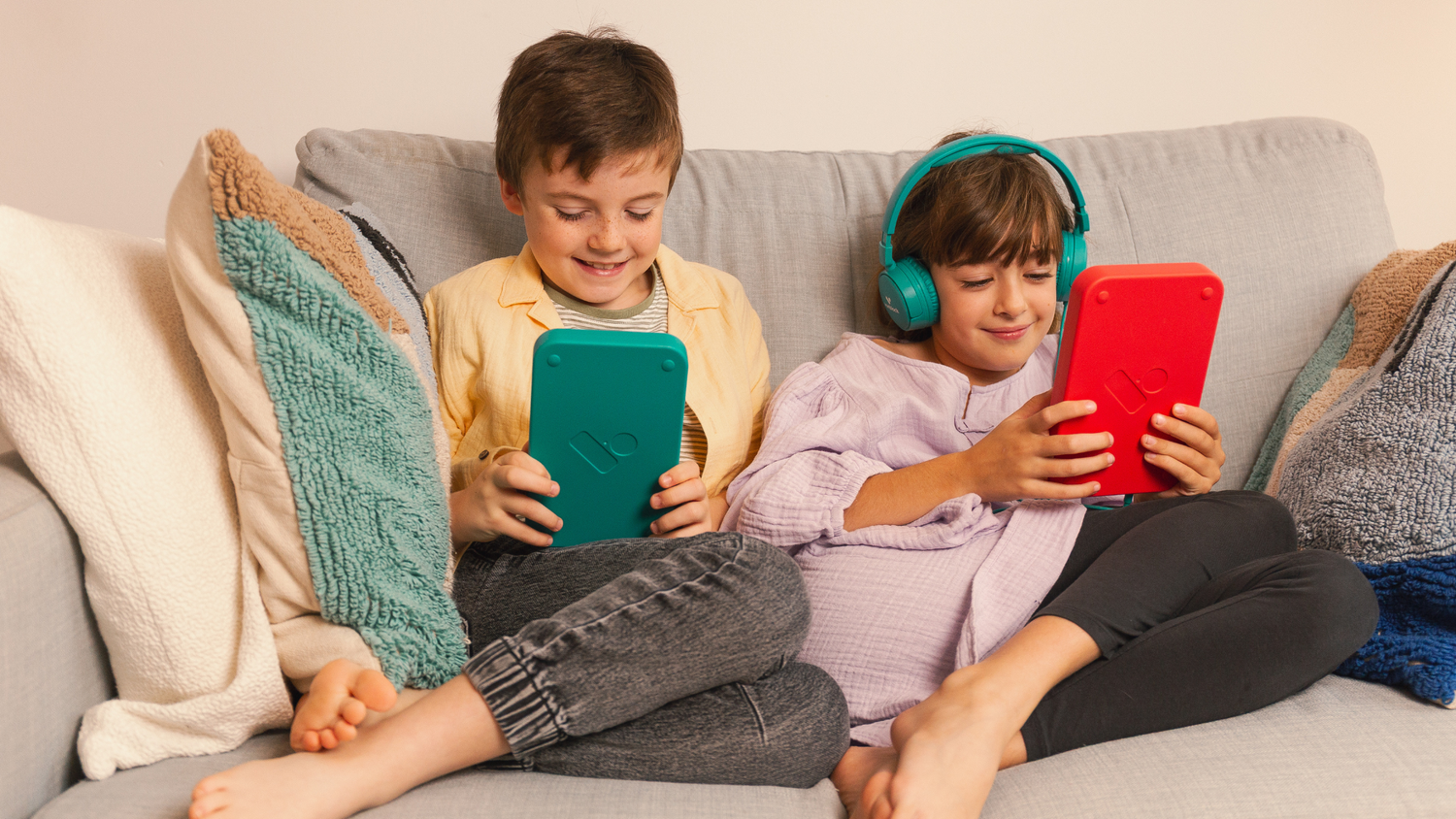
If you've ever put an audiobook on for your child and felt a small pang of guilt, like you've taken a shortcut, you're not alone.
It's one of the most common questions parents ask. And the answer, backed by decades of research, is a firm yes.
Here's why.
What Reading Actually Is
When most of us think about reading, we picture a child sitting quietly with a book, eyes moving across the page.
But reading isn't just decoding letters. It's comprehension. Vocabulary. Imagination. Emotional connection to a story.
And all of those things happen when a child listens to a book.
According to the National Literacy Trust's 2024 Annual Literacy Survey, more children in the UK now enjoy listening to audiobooks than enjoy reading in their free time. Not because reading has failed them. Because audio has opened a door.
The Vocabulary Argument
One of the strongest cases for audiobooks is vocabulary development.
Children's books use far more complex language than everyday conversation. Words like "mysterious," "reluctant," or "bewildered" rarely come up at the dinner table but they appear constantly in stories.
When children listen to books above their reading level, they absorb that language naturally. They hear how sentences are constructed. They pick up rhythm, tone, and expression.
That's not a shortcut. That's learning.
What About Struggling Readers?
For children who find reading difficult, whether due to dyslexia, processing differences, or simply lacking confidence, audiobooks can be transformative.
They remove the barrier of decoding and let the child focus on the story itself. On understanding. On enjoyment.
And enjoyment is everything.
The National Literacy Trust found that 7 in 10 children say listening to audiobooks makes it easier to understand a book's content. And 1 in 2 say it has increased their interest in reading altogether.
A child who loves stories will eventually want to read them. A child who associates reading with struggle will avoid it.
Audiobooks keep the love of stories alive while the mechanics of reading catch up.
The Screen-Free Difference
Not all listening is equal.
There's a meaningful difference between a child passively watching a story on a screen and actively listening to one through audio.
Audiobooks require imagination. There are no visuals to follow, no animations to watch. The child has to build the world in their head, the characters, the settings, the action.
In fact, 3 in 5 children told the National Literacy Trust that when they listen to stories, they use their imagination more than when watching videos.
That's a cognitive workout. And it's one that transfers directly to reading comprehension.
So Should You Feel Guilty?
No.
Putting an audiobook on for your child isn't giving up on reading. It's finding a different door into the same house.
The goal has always been a child who loves stories, builds vocabulary, and develops a reading habit for life.
Audiobooks get you there.
At Voxblock, we believe audio is reading.
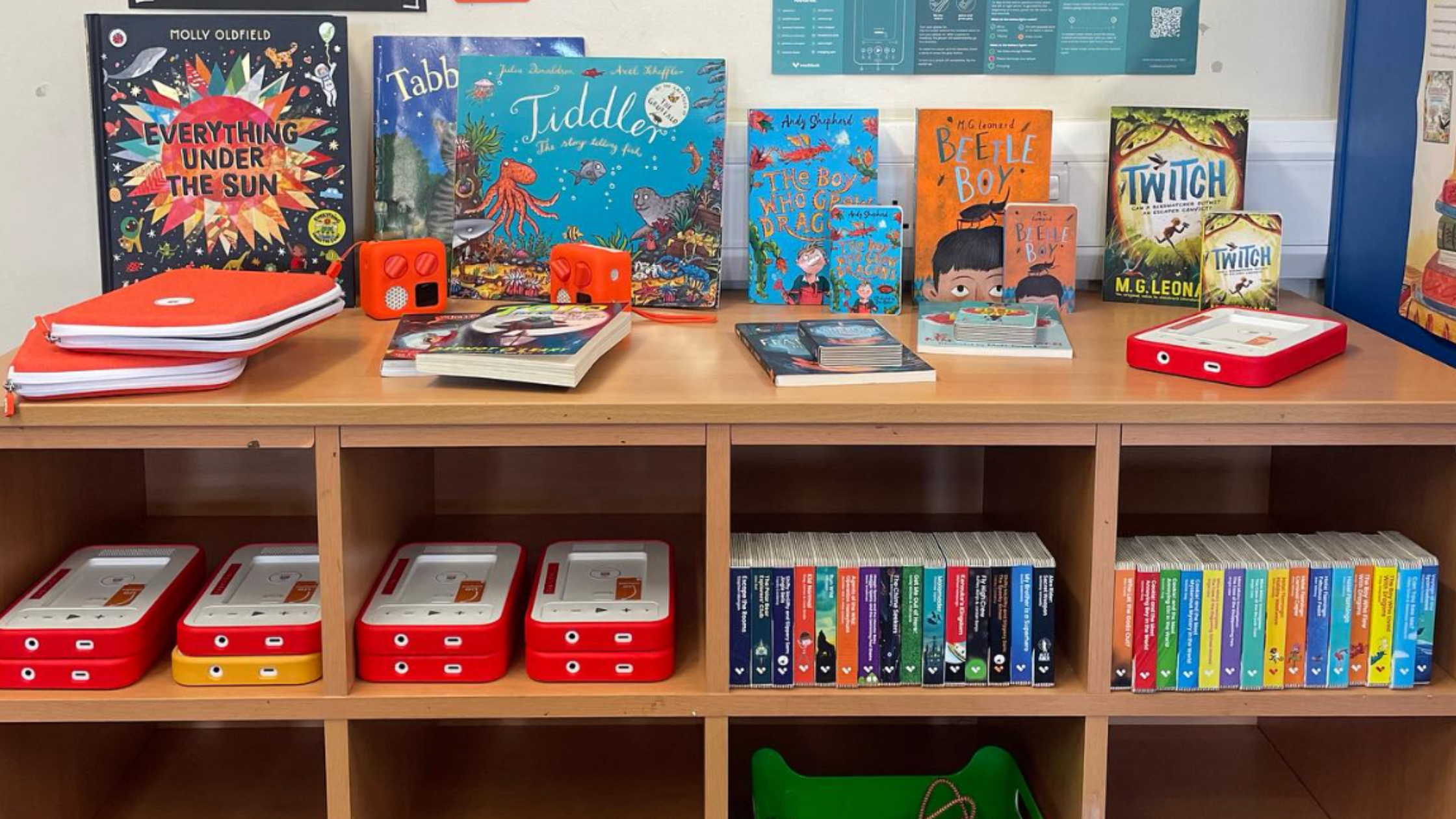
Our screen-free, Wi-Fi-free audiobook players are designed to give children an independent listening experience. No tablets, no apps, no rabbit holes.
Just stories, wherever they are.