
For many families, reading feels like a battle.
- You sit down with a book.
- Your child fidgets.
- They avoid the page.
- You try again tomorrow.
It’s easy to worry they’re falling behind. But often, the issue isn’t stories, it's pages.
Most children meet stories through listening first
Before children read, they listen.
- They listen in the car.
- They listen at bedtime.
- They listen while playing.
They pick up:
- New words.
- Patterns.
- How sentences flow.
- How stories work.
- How characters feel.
None of that needs print.
Stories come first. Pages follow later.
Why pages can feel hard at home
After a long school day, children are tired.
Reading from pages asks them to:
- Concentrate
- Decode words
- Sit still
- Perform
That’s a lot at the end of the day.
Listening removes that pressure; it lets children enjoy stories without feeling like they're being tested.
What reading looks like without pages
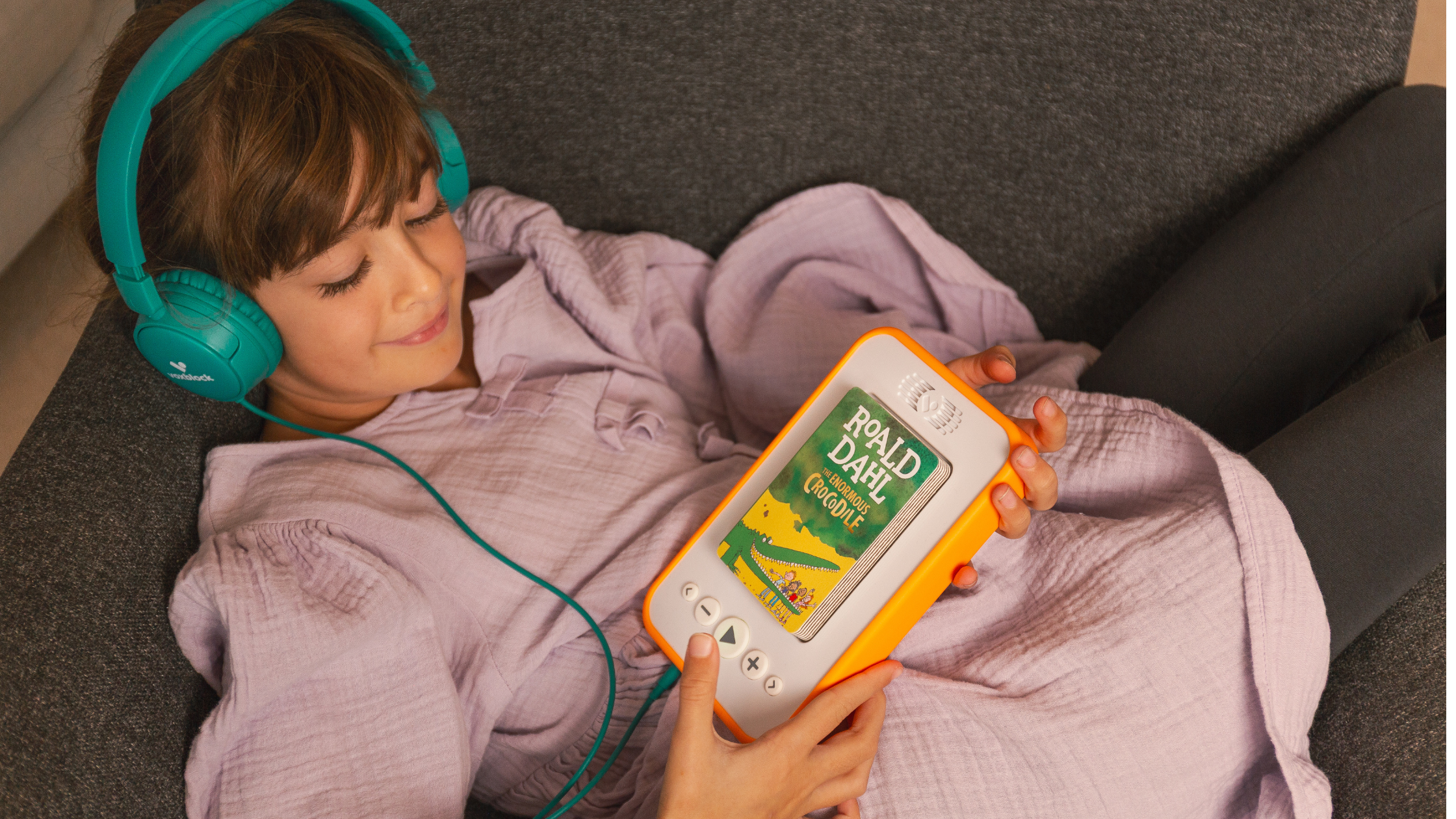
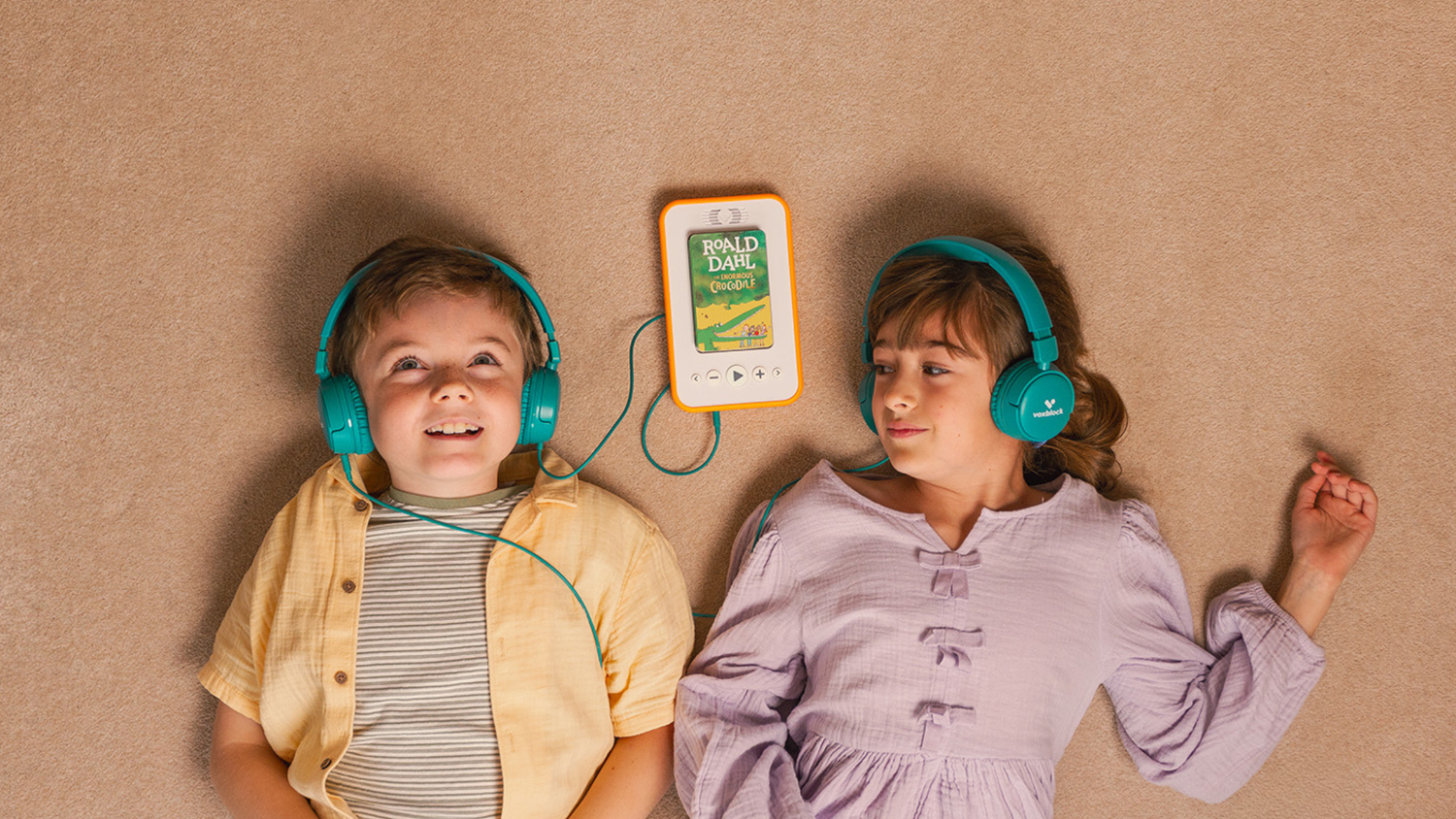
Your child listens while:
- Drawing at the table
- Playing on the floor
- Lying on the sofa
They ask questions. They laugh at the same moment every time. They repeat phrases days later, and you hear the story coming back to you in their play.
That’s not passive listening. That’s learning taking place quietly.
Repetition is part of the process
Children often choose the same story again and again.
This can feel frustrating as a parent.
But repetition helps children:
- Understand language
- Predict what happens next
- Feel confident
Each listen builds familiarity. That familiarity builds confidence.
January is about easing pressure, not adding more
New routines don’t need to be strict. They need to fit your life.
Try this:
- Pick one time of day that already exists
- Add one short story
- Let listening do the work
No worksheets. No reading logs. No forcing pages.
What matters most
A child who enjoys stories is building the foundation for reading.
If they listen, imagine, and talk about stories, you’re supporting their literacy, even if there isn’t a book in their hands.
Try this tonight
- Put on a story
- Let your child listen while doing something they enjoy
- Talk about it afterwards
That counts.
Reading doesn’t always look like pages.