

There’s a reason so many parents today look back on their 90s childhood with such fondness. It wasn’t perfect, of course, but there was something noticeably different about the way children experienced entertainment during that decade.
It felt slower, simpler and less demanding.
Children still had technology, but it didn’t dominate every moment. Entertainment existed without constantly competing for attention, and that created space for imagination, independence, and genuine engagement.
As modern family life becomes increasingly fast-paced and screen-heavy, many of the things that made 90s entertainment special are starting to feel surprisingly relevant again.
Simple Tech Gave Children Independence
One of the biggest differences in the 90s was how straightforward children’s technology felt.
CD players, cassette players, handheld games consoles, radios, and televisions all had a clear purpose. You pressed a button, and they worked. There were no app stores, endless notifications, adverts, or algorithms deciding what came next.
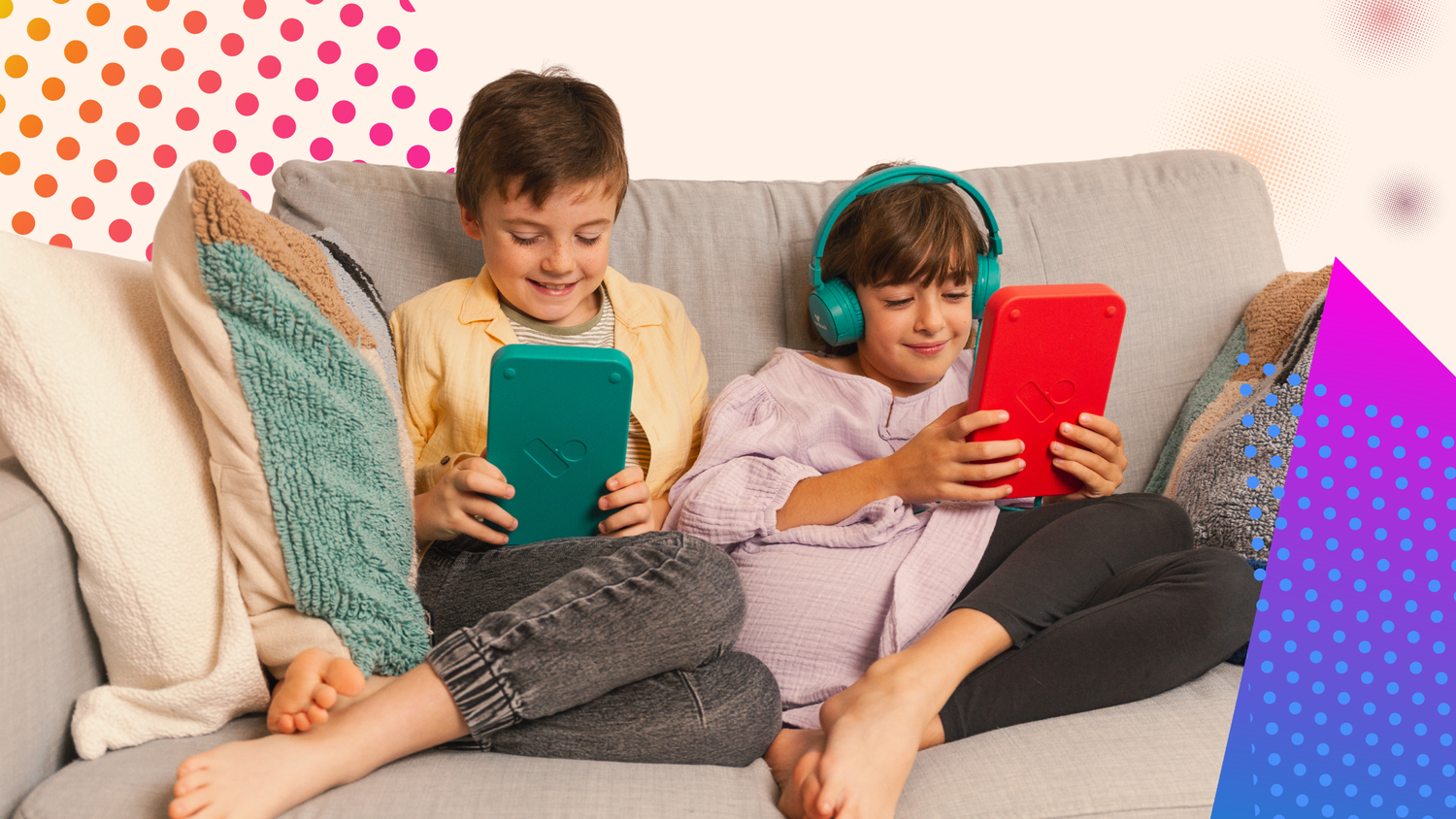
Children could operate their own devices confidently without needing constant help from adults. Choosing a cassette for a car journey or picking a favourite CD from a shelf gave children a real sense of independence.
Importantly, entertainment also had natural boundaries. When a story finished, it finished. There wasn’t an endless stream of recommended content waiting immediately afterwards. That simplicity created calmer experiences for children and often far less stress for parents, too.
Life Felt Less Hectic
The 90s certainly weren’t distraction-free, but compared to today, life generally moved at a slower pace.
Children weren’t constantly reachable. Family life wasn’t interrupted by notifications every few minutes. Entertainment happened in more intentional ways rather than existing endlessly in the background. You watched your favourite programme when it was on television. You replayed the same beloved film repeatedly because you owned it physically. You listened to the same audiobook or cassette over and over until it became familiar and comforting.
There was less pressure to consume everything all at once.
That calmer pace was often reflected in children’s behaviour too. Boredom wasn’t treated as a problem that needed solving immediately. Instead, boredom often became the starting point for creativity.
Even the Media Felt Calmer
Interestingly, the media created during the 90s often reflected this slower pace as well.
Children’s television programmes were generally less frantic than much of today’s content. Scenes lasted longer, dialogue moved more naturally, and storylines were often simpler and easier to follow. Many 90s children’s programmes embraced quietness, curiosity, and gentle storytelling. Whether it was cosy animation styles, slower-paced educational shows, or comforting bedtime television, there was often a feeling of warmth rather than overstimulation.
The same applied to children’s books, audiobooks, and toys. Entertainment encouraged children to settle into experiences rather than rapidly jump between them. It wasn’t designed to hold attention through constant stimulation. It simply trusted that children could focus when given the chance.
Imagination Was Part of the Entertainment
One thing 90s childhood got particularly right was leaving room for imagination.
Many toys weren’t highly interactive or pre-programmed. Dolls, action figures, toy kitchens, building blocks, and playsets all relied heavily on roleplay. Children created their own stories, worlds, and characters. Even simple objects became part of imaginative games. A cardboard box could become a spaceship. A blanket became a castle. Children were active participants in play rather than passive consumers of entertainment.
Without endless on-demand content, children often learned how to entertain themselves creatively.
That imaginative freedom helped children build confidence, storytelling skills, and independent thinking in ways that are sometimes harder to replicate in today’s fully digital environments.
Children Had a Sense of Ownership
Another overlooked part of 90s entertainment was the importance of physical ownership.
Children collected things. Books lined the shelves. VHS tapes stacked beside televisions. CDs sat in folders or towers. Favourite toys were treasured, revisited, swapped, and displayed proudly in bedrooms.
There was something meaningful about physically choosing a story or film from a collection. Children developed strong emotional connections to the things they owned because those items were visible parts of everyday life.
Cover artwork mattered. Cases became familiar. Collections reflected personality and interests. Physical media also made entertainment feel more intentional. You returned to favourites repeatedly rather than endlessly searching for something new.
Why It Still Matters Today
Looking back at the 90s, childhood isn’t really about nostalgia for old technology. It’s about recognising the value of simplicity, calmness, and imagination in children’s lives.
Modern technology has brought plenty of positives, but many parents are starting to realise that children don’t necessarily need more stimulation, more content, or more connected devices.
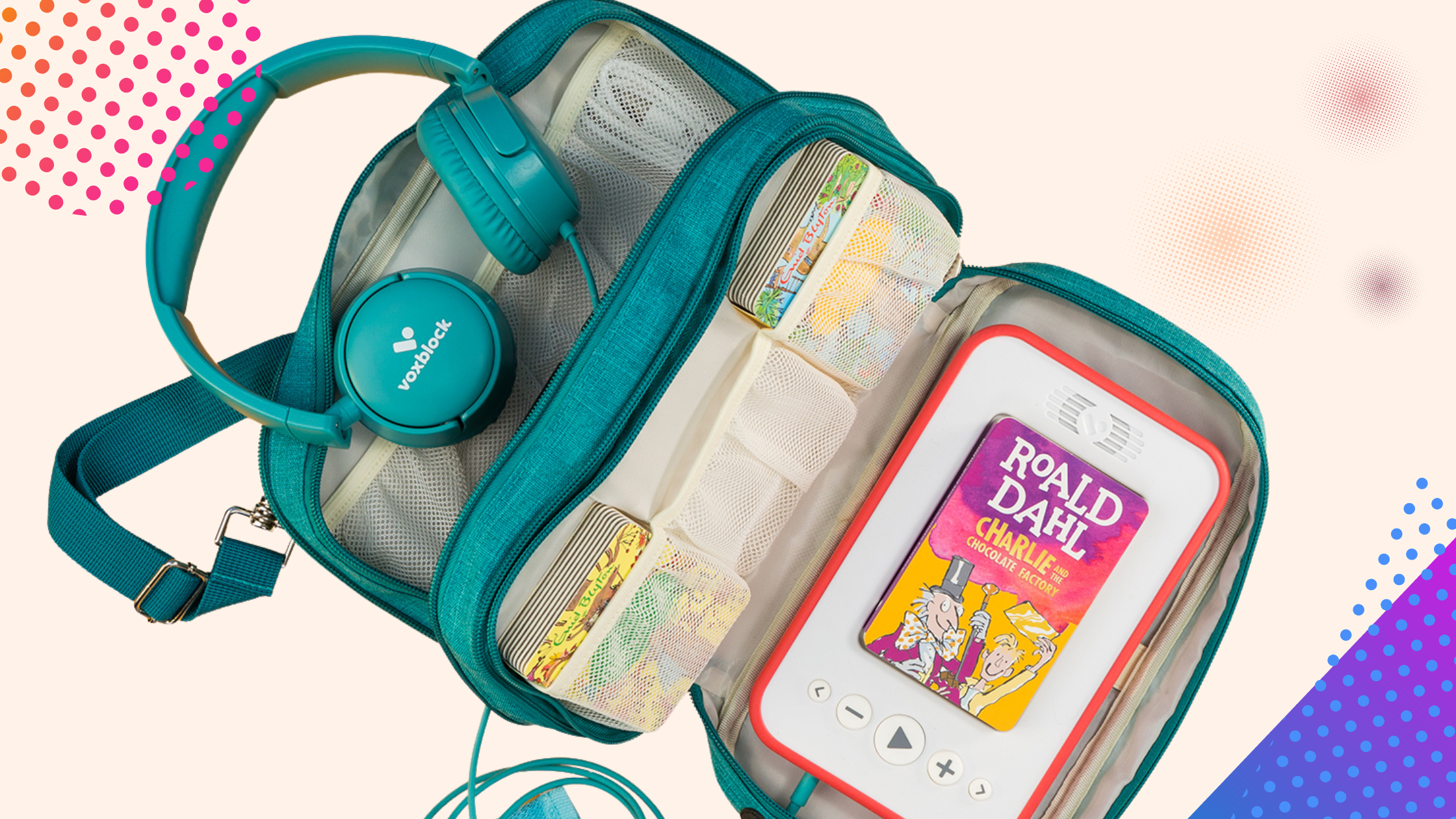
Sometimes they simply need entertainment that gives them space to think, imagine, and engage independently. And this was the inspiration that drove Voxblock, bringing back a simple audio device that gave children complete control.
And in many ways, that’s exactly what 90s childhood understood so well.