


In a world filled with the noise of endless notifications, constant scrolling and overstimulation, it’s no surprise that many parents are starting to look for something simpler and calmer for their children. The conversation around children and technology is changing. Rather than asking how much tech should children have?, more families are asking what kind of tech actually supports them best?
Simple technology, designed with focus and calmness in mind, is quietly becoming the better choice for many families. Not because technology itself is bad, but because children often thrive when experiences are slower, more tactile, and less overwhelming.
Counteracting Overstimulation
Many modern children’s devices are built to keep attention for as long as possible. Bright colours, autoplay features, pop-ups, touchscreens, and rapid scene changes are all designed to encourage constant interaction. While this can feel engaging in the short term, it can also leave children overstimulated and mentally exhausted.
Children naturally need moments of calm. Time to absorb stories, process ideas, and use their imagination without competing distractions. Constant stimulation can make it harder for children to focus deeply on one activity for an extended period of time.
Simple tech creates space for quieter engagement. Instead of demanding attention, it supports it. Listening to an audiobook, building with blocks, drawing, or playing independently without flashing screens allows children to settle into activities at their own pace. There’s no pressure to click the next thing or move on before they’re ready.
How Can Calm Play Help?
Children are incredibly imaginative when given the chance. Often, the less interactive a toy or device is, the more creativity and inspiration takes over.
Screen-heavy entertainment tends to provide everything visually. Characters are already designed, worlds are already built, and stories move quickly from one scene to another. With calmer, more open-ended experiences, children fill in the gaps themselves.
Audiobooks are a perfect example of this. When listening to a story, children create the characters, settings, and action in their own minds. They become active participants in the experience rather than passive viewers.
This type of imaginative engagement can feel surprisingly calming. It allows children to focus deeply on one thing without the constant interruption of animations, adverts, or notifications.
Independence Without Screens
One of the biggest challenges parents face with connected devices is that they rarely stay simple for long. A tablet meant for audiobooks can quickly become a gateway to videos, games, messages, or internet browsing.
That’s why many families are now looking for screen-free alternatives that still allow children to have independence.
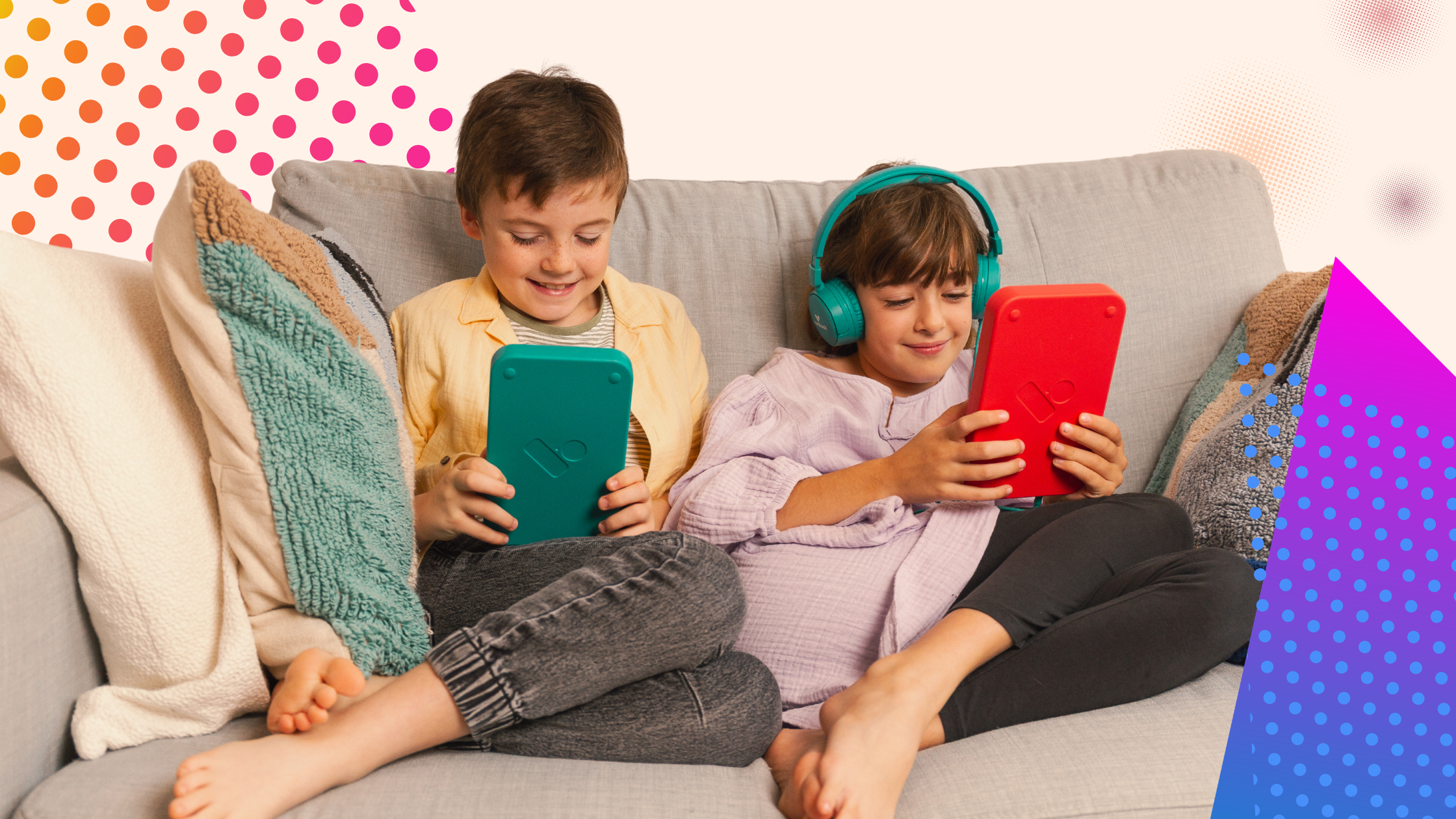
Simple tech gives children ownership without the downsides of fully connected devices. A child can choose their own story, operate their own player, and enjoy entertainment independently, all without needing Wi-Fi, apps, or endless menus.
There’s something powerful about technology that children can fully understand and control themselves. Physical buttons, straightforward functions, and clear purpose help children build confidence quickly. They don’t need constant adult intervention or complicated setup processes.
And for parents, simplicity often brings peace of mind too.
Why Physical Interaction Matters
Physical interaction changes the way children engage with experiences. Holding a book, inserting an audiobook, turning a dial, or pressing a button all create intentional actions that feel more meaningful than tapping endlessly on a screen.
Studies around learning and memory have long suggested that physical interaction helps strengthen engagement and recall. Children often connect more deeply with experiences when they involve movement, touch, and tangible objects.
This is one reason physical books remain so popular despite digital alternatives. There’s value in the ritual of choosing something from a shelf, holding it, and interacting with it directly.
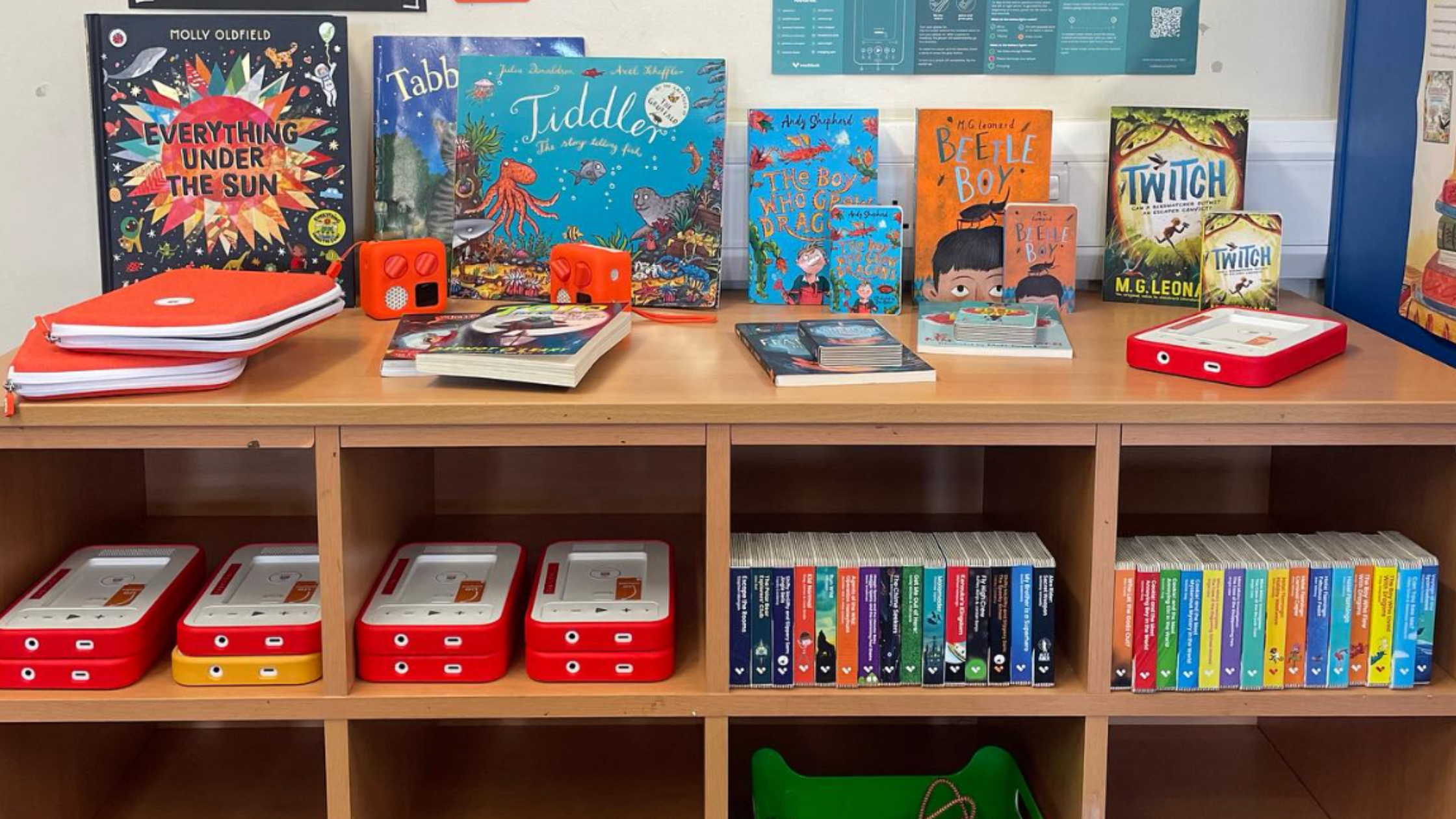
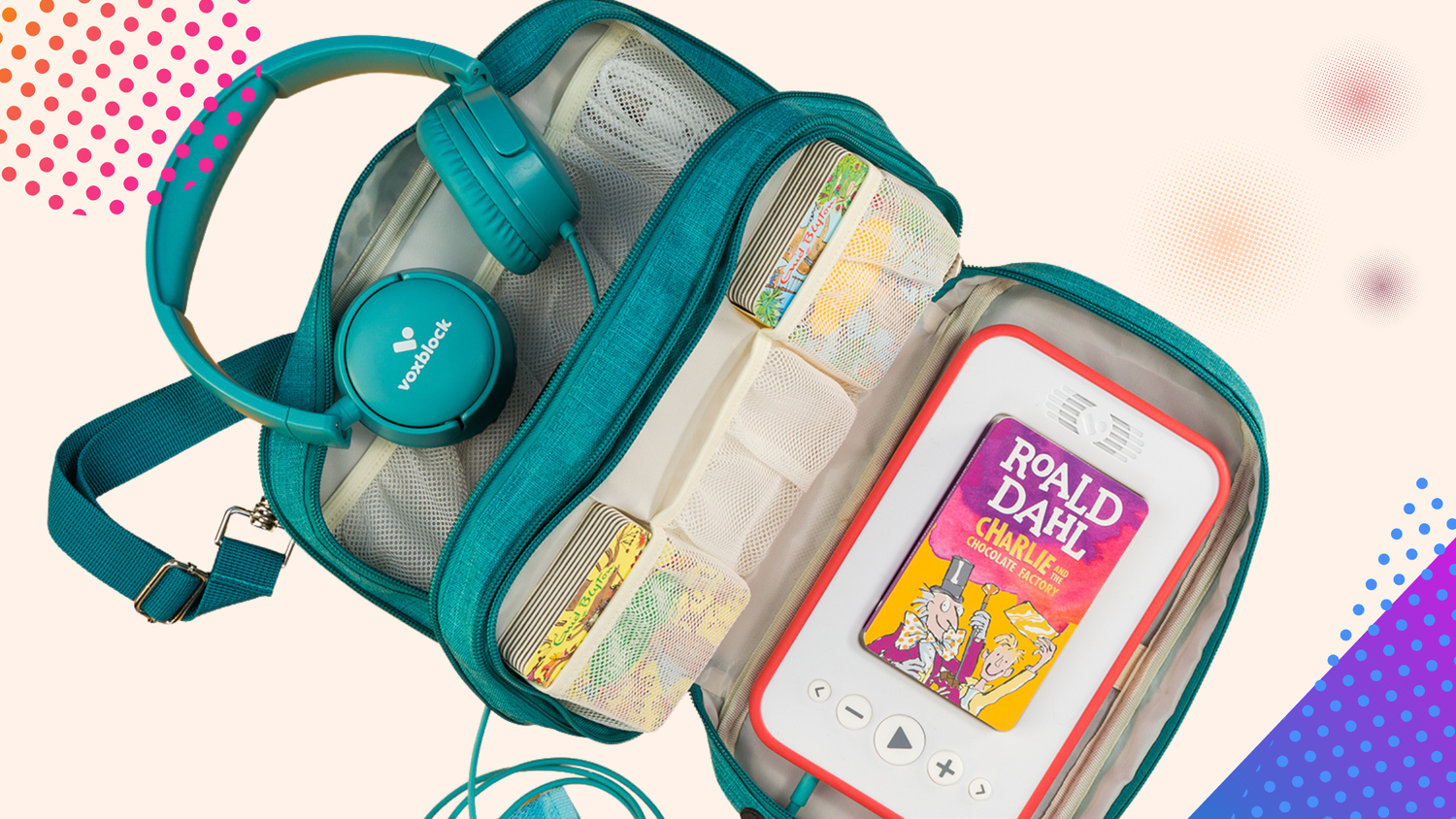
The same idea applies to our screen-free audio. Physical audiobooks become objects children recognise, collect, and return to repeatedly. The cover artwork sparks familiarity, and the process of choosing a story becomes part of the enjoyment itself.
Rather than content feeling disposable or infinite, stories gain a sense of value and presence.
Simplicity Doesn’t Mean Less
Simple technology is sometimes misunderstood as being limiting. In reality, it often gives children more of the things they genuinely need: focus, independence, imagination, and calm.
Children don’t always need more features, faster entertainment, or bigger screens. Often, they benefit most from products designed with intention rather than distraction.
The best children’s technology doesn’t fight for attention. It supports curiosity, creativity, and confidence quietly in the background.
And in many homes, that kind of simplicity is starting to feel less old-fashioned and more essential than ever.