

Many parents worry about whether their child can read.
Are they keeping up.
Are they falling behind.
Are they doing enough.
But over time, another concern often takes over. Not whether a child can read, but whether they want to.
Because ability matters. But enjoyment is what makes reading stick.
A love of reading doesn’t begin with pages. It begins with stories.
Why reading for pleasure matters
Children who read for pleasure tend to do better at school and beyond. They often develop stronger language skills, better focus, and greater confidence.
More importantly, they choose to read. That choice is what turns reading from a task into a habit.
When reading feels forced, children resist it. When it feels enjoyable, they return to it.
Enjoyment comes before skill
Before children read independently, they need to feel comfortable with stories.
They need to:
- hear rich language
- follow characters and plots
- build vocabulary naturally
- feel confident engaging with stories
These foundations don’t come from pressure. They come from enjoyment.
This is where listening plays an important role.
How audio supports reading for pleasure
Listening to stories gives children access to language without friction.
There are no tricky words to decode. No pressure to perform. No need to sit still.
Children can listen while drawing, building, or relaxing. They are still absorbing language. They are still developing understanding.
Audio doesn’t replace reading. It supports it.
When children enjoy stories through listening, they are more likely to want to engage with books later.
Making reading fit real family life
For many families, reading is squeezed into the busiest part of the day.
Late evenings.
Tired children.
Limited attention.
When reading becomes a struggle, it stops being enjoyable. Listening allows stories to fit more easily into everyday routines.
Ten minutes after school counts.
A story during quiet play counts.
Listening before dinner counts.
Small moments add up.
Confidence leads to independence
Children who feel confident with stories are more willing to explore them.
They ask questions.
They retell what they’ve heard.
They develop favourites.
This confidence makes the move to independent reading feel natural rather than daunting.
They already love stories.
Books become the next step, not the first hurdle.
Reading doesn’t look the same for every child
Some children love books early. Others take more time. Some prefer listening first. Others mix listening and reading together.
There is no single path.
What matters is keeping stories present in a way that works for your child.
Where Voxblock fits in
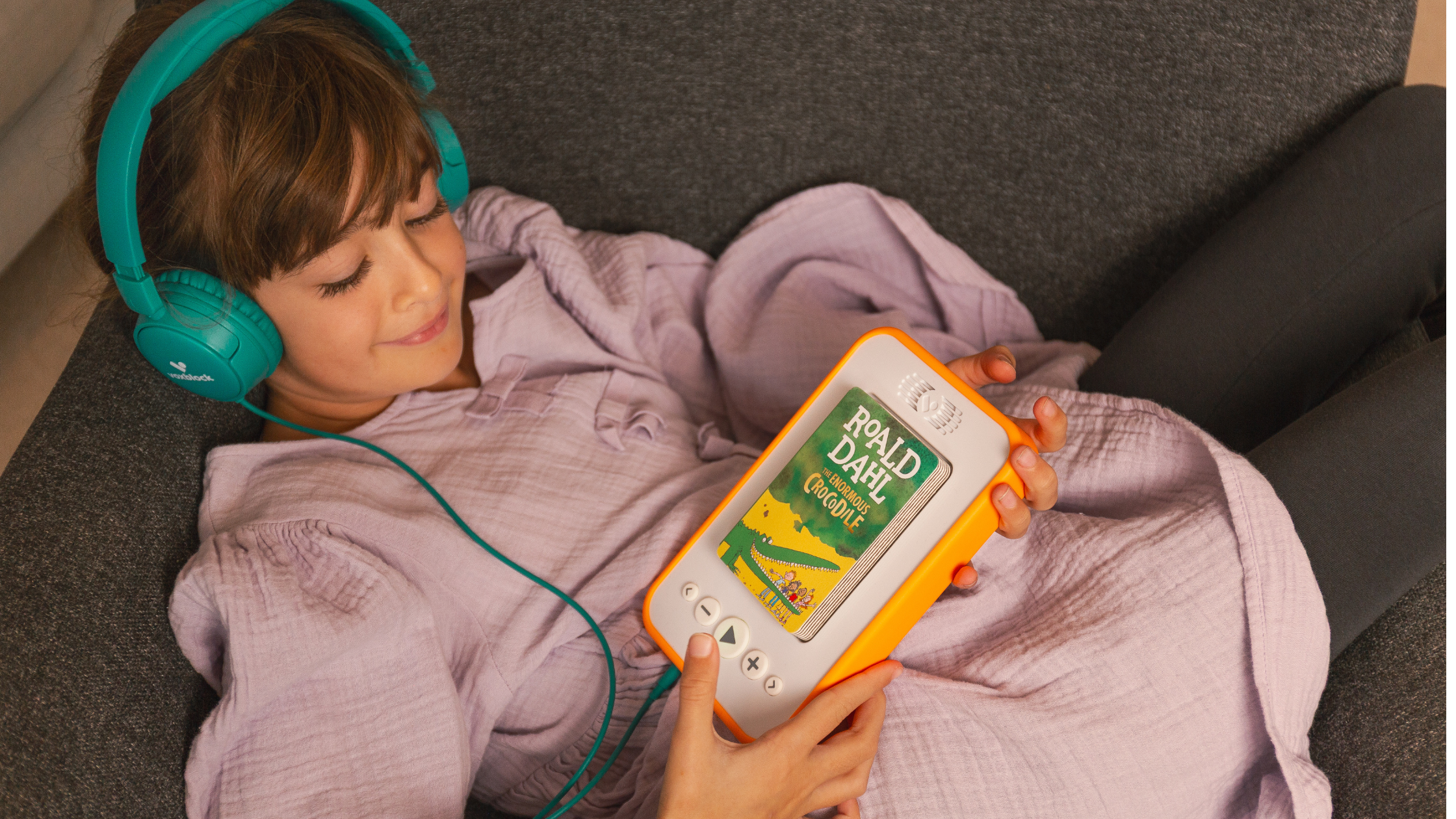
Voxblock is designed to support reading for pleasure at home.
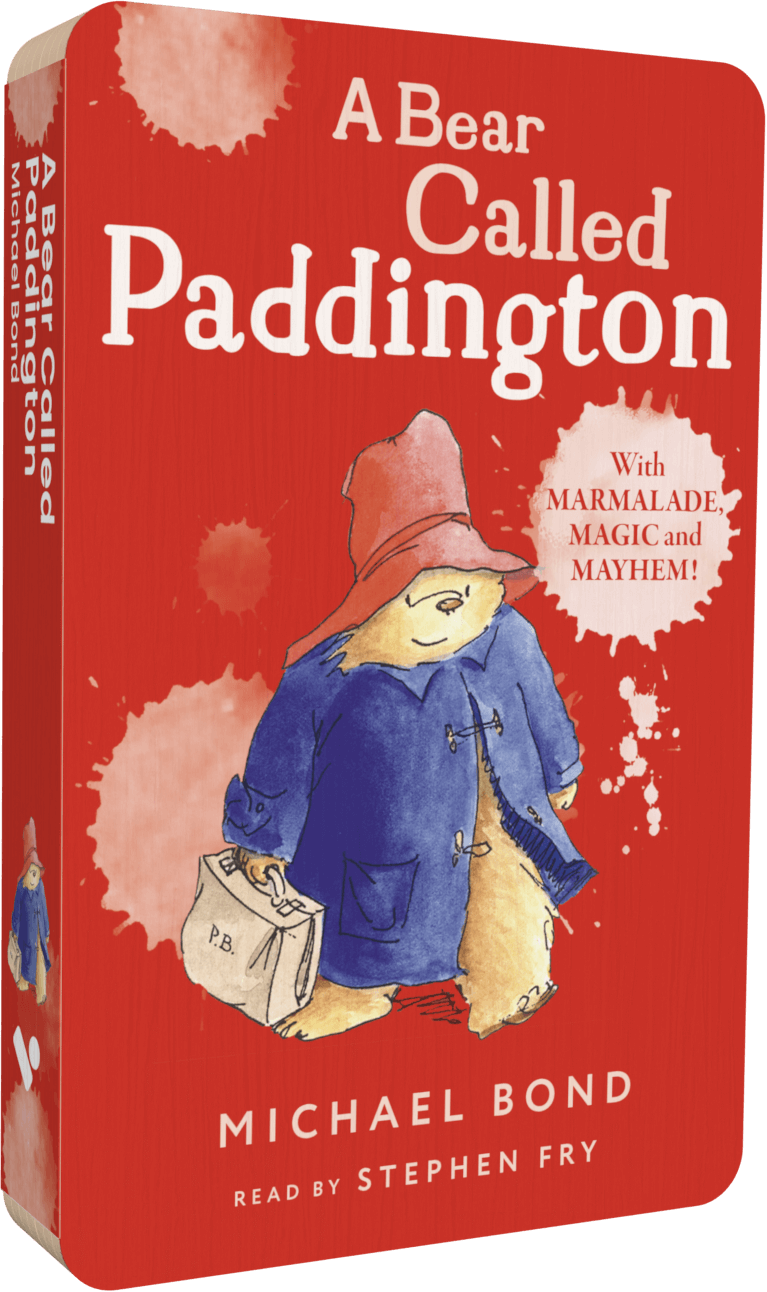
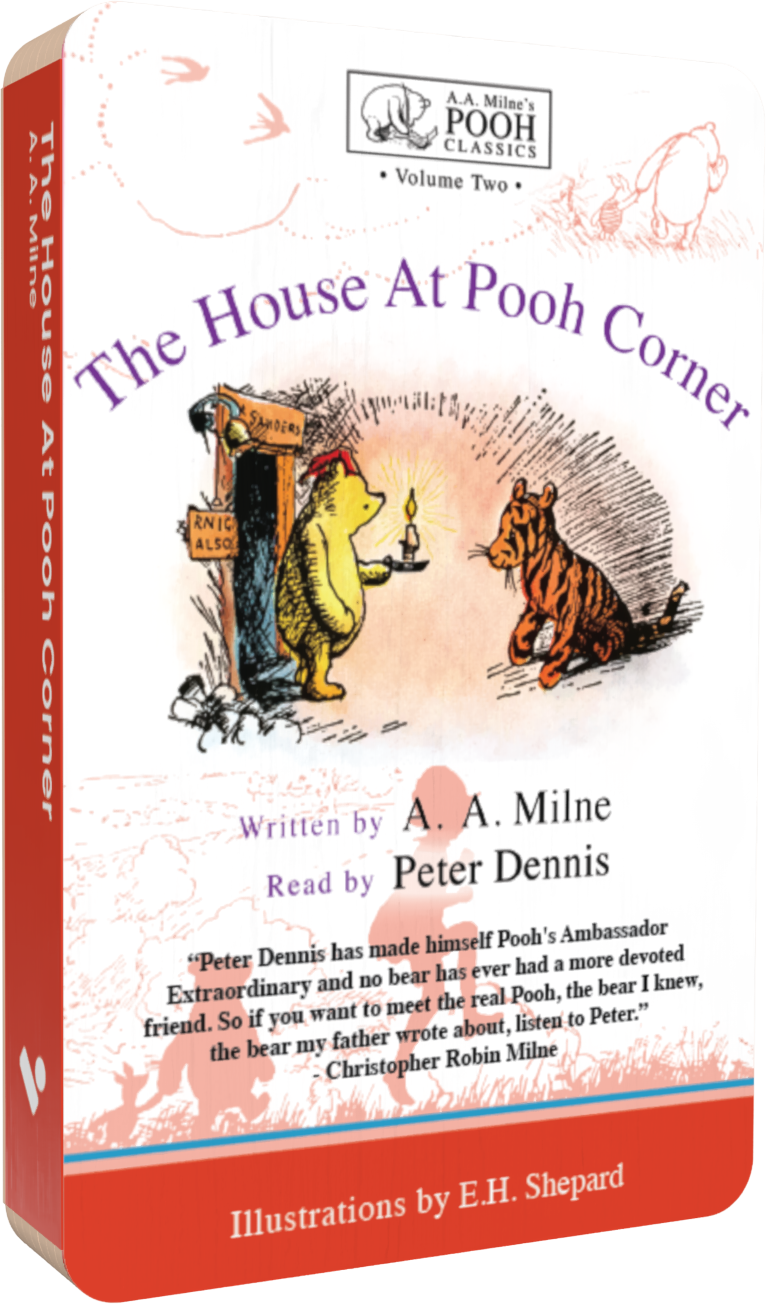
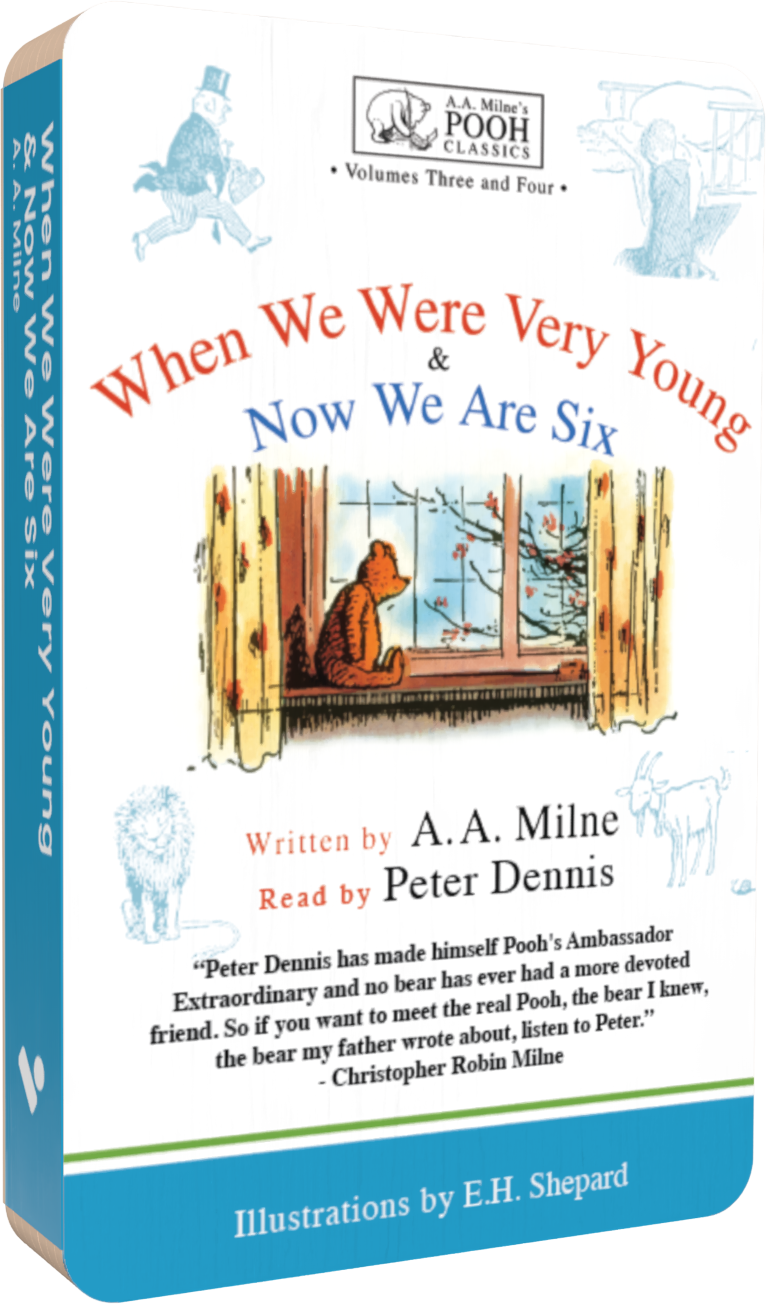
Children choose a story block, place it on the player, and listen.
No screens. No apps. No complicated set-up.
This simplicity gives children independence and control. Parents get calm, screen-free listening. Children get stories they enjoy.
The bigger picture
A child who enjoys stories is more likely to:
- build strong language skills
- develop confidence
- choose reading willingly
- carry that habit into later life
Reading for pleasure is one of the strongest indicators of future success.
That journey often begins with listening.
A gentle reminder for parents
If your child doesn’t enjoy reading yet, that’s okay. Enjoyment can come first. Skills can follow.
Stories heard today help shape the readers of tomorrow.
Where a love of reading begins, everything else has space to grow.